
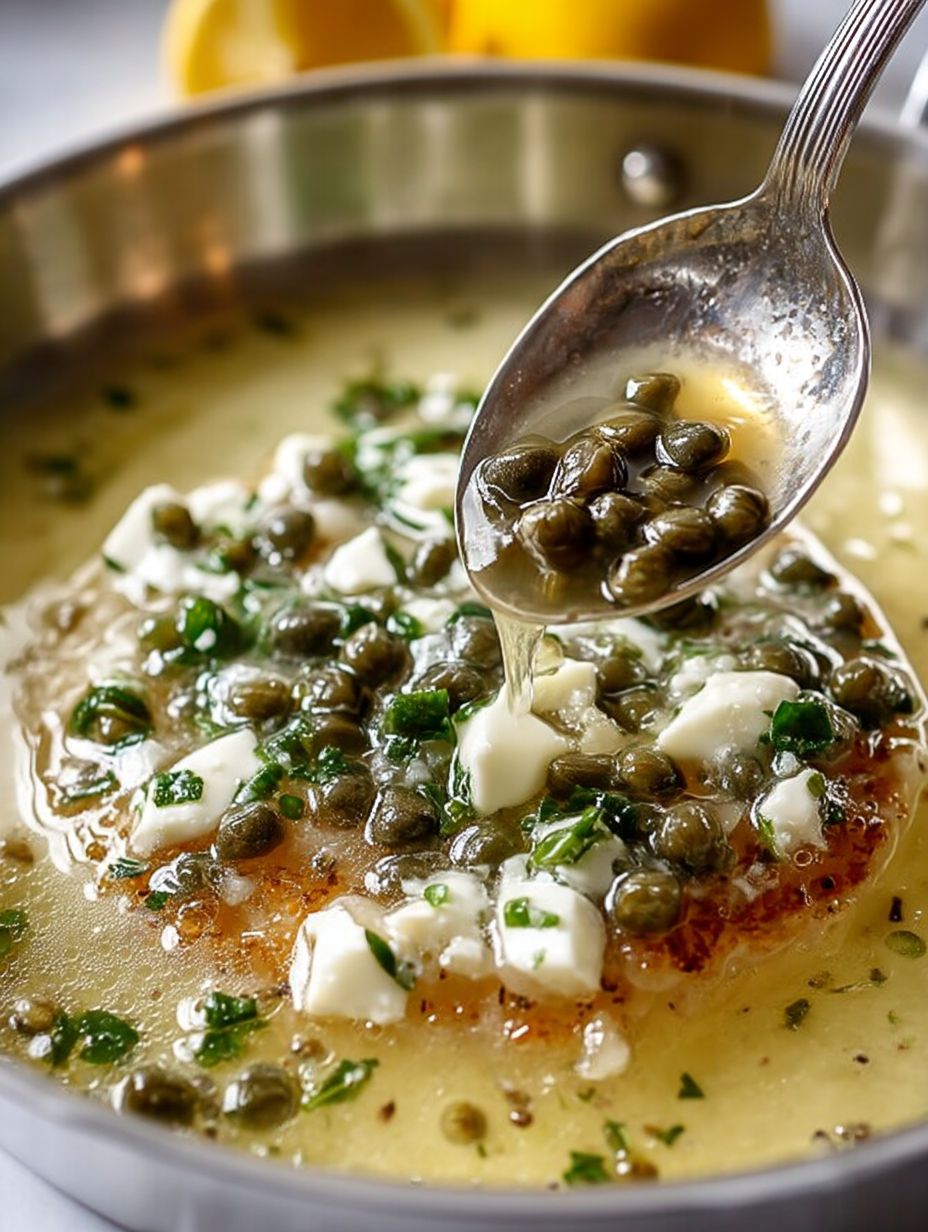
Imagine a vibrant sauce that dances on your palate, blending the zing of lemon with the salty brightness of capers, all wrapped in a silky smooth texture. This White Wine Lemon Caper Sauce is like a culinary hug that cheers up any dish it graces.
I remember the first time I tried to impress my friends with this sauce; let’s just say, there was more splatter than sauce for a brief moment! With a few giggles and some creative improvisation, I turned what could have been a kitchen disaster into a delicious triumph. Now, every time I whip it up, I can’t help but laugh at the memory.
Why You’ll Love This Recipe
This White Wine Lemon Caper Sauce is not only easy to prepare, but it also boasts a unique flavor profile that will leave your taste buds singing. Its stunning appearance makes any meal feel gourmet, and you can customize it easily to suit your preferences. Whether you drizzle it over chicken or toss it with vegetables, this sauce is sure to elevate your dining experience.
Ingredients for White Wine Lemon Caper Sauce

Here’s what you need for this delicious dish:
The complete ingredient list, including quantities, can be found directly under the recipe card.
How to Make White Wine Lemon Caper Sauce
Follow these simple steps to prepare this delicious dish:
Step 1: Prepare Your Ingredients
Start by zesting two lemons and then juicing them. Set aside both the zest and juice in separate bowls. Chop your garlic finely and have your capers ready. This step ensures everything is prepped before cooking begins.
Step 2: Sauté Aromatics
In a medium saucepan over medium heat, melt 4 tablespoons of unsalted butter. Once melted, add in your chopped garlic and cook until fragrant—about 1 minute. Watch out! It cooks fast enough to turn from golden to burnt if left unattended.
Step 3: Add Broth and Capers
Pour in 1 cup of chicken broth and add 2 tablespoons of capers. Stir well and bring this mixture to a simmer over medium heat. Let it bubble away gently for about 5 minutes so those flavors meld beautifully.
Step 4: Incorporate Lemon Juice and Zest
Once simmered, lower the heat slightly before adding in your reserved lemon juice and zest. Stir everything together while letting it simmer for another 3-4 minutes—feel free to dance around the kitchen while you wait!
Step 5: Season and Serve
Taste your sauce and season with salt or pepper if needed (remember, you can always add but can’t take away). Remove from heat once it’s thickened slightly. Drizzle generously over grilled chicken or sautéed vegetables just before serving.
Garnish with fresh parsley or additional capers if you’re feeling fancy! Serve immediately to enjoy its zesty vibrancy while it’s still warm.
Perfecting the Cooking Process
To achieve the perfect White Wine Lemon Caper Sauce, start by sautéing garlic in olive oil until fragrant, then add the lemon juice and capers. This sequence maximizes flavor infusion and ensures a delightful balance.
Add Your Personal Touch
If you want to switch things up, try using lime juice instead of lemon for a zesty kick. You can also swap capers for chopped olives to create a unique twist on your White Wine Lemon Caper Sauce.
Storage & Reheating
To maintain the vibrant texture of your White Wine Lemon Caper Sauce, store it in an airtight container in the fridge. Reheat gently over low heat, stirring frequently to prevent separation.
Helpful Chef Tips
One time, I whipped up this sauce for a dinner party. The guests were so impressed they asked if I could bottle it! Talk about pressure!
Conclusion for White Wine Lemon Caper Sauce
Incorporating a delightful White Wine Lemon Caper Sauce into your meals elevates any dish with its tangy and vibrant flavors. This sauce is not only easy to prepare but also complements chicken, beef, or turkey beautifully. The freshness of lemon combined with the briny capers creates a mouthwatering experience that is sure to impress family and guests alike. Don’t miss the opportunity to brighten your next dinner; try this recipe today and transform your everyday cooking into an extraordinary feast!
Print
White Wine Lemon Caper Sauce
Delicious white wine lemon caper sauce recipe with detailed instructions and nutritional information.
- Total Time: 30 minutes
- Yield: 4 servings 1x
Ingredients
- 2 fresh lemons, juiced and zested
- 2 tablespoons capers, non-pareil
- 1 cup chicken broth, low-sodium
- 4 tablespoons butter, unsalted
- 2 cloves garlic, chopped
- 1 teaspoon dried oregano
Instructions
- Prepare all ingredients for white wine lemon caper sauce.
- Follow the preparation steps as described in the recipe.
- Cook according to the specified time and temperature.
- Serve and enjoy your delicious meal.
Notes
Store leftovers in an airtight container.
Reheat gently over low heat.
Serve with grilled chicken or fish.
Use fresh lemons for best flavor.
- Prep Time: 15 minutes
- Cook Time: 15 minutes
- Method: Stovetop
Nutrition
- Calories: 150 kcal
- Sugar: 8g
- Sodium: 300mg
- Fat: 12g
- Carbohydrates: 7g
- Fiber: 3g
- Protein: 1g
- Cholesterol: 25mg
FAQs
What can I serve with White Wine Lemon Caper Sauce?
White Wine Lemon Caper Sauce pairs wonderfully with grilled chicken, pan-seared fish, or roasted vegetables. You can also drizzle it over pasta for a refreshing twist. It enhances the flavors of any protein or vegetable dish, making it a versatile addition to your meal planning.
Can I store leftovers of this sauce?
Yes, you can store leftover White Wine Lemon Caper Sauce in an airtight container in the refrigerator for up to three days. When you’re ready to use it again, gently reheat the sauce on low heat while stirring frequently to maintain its delicious texture.
Can I make this sauce without capers?
While capers are a key ingredient in White Wine Lemon Caper Sauce, you could substitute them with chopped olives for a different flavor profile. However, the unique brininess of capers adds depth that might be missed in the final dish.
How can I thicken White Wine Lemon Caper Sauce?
If you prefer a thicker consistency for your White Wine Lemon Caper Sauce, consider adding a small amount of plant-based gelling agent like agar-agar or pectin during cooking. Stir it in gradually until you achieve your desired thickness without altering the flavor profile significantly.