
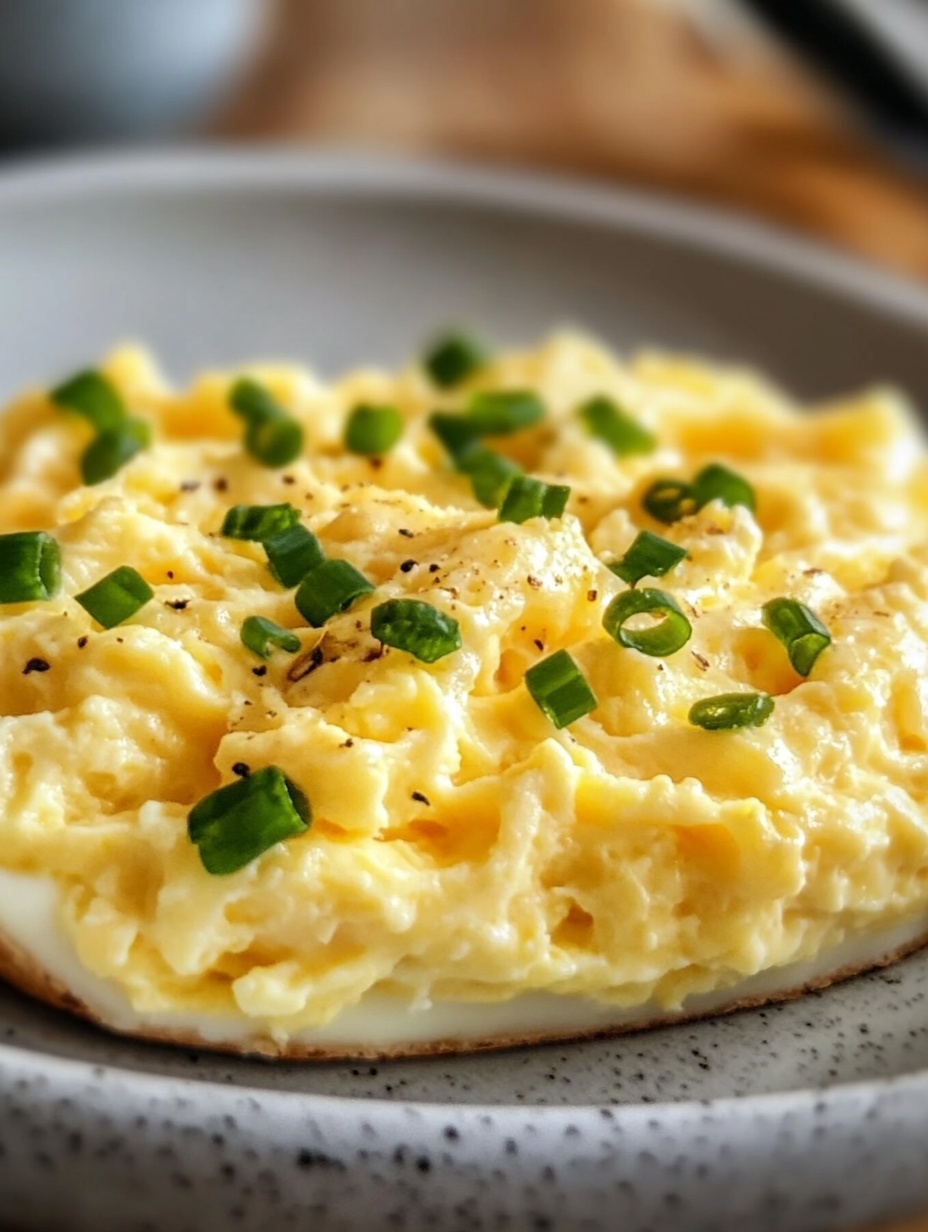
There’s something truly comforting about a plate of creamy scrambled eggs — that soft, velvety texture and rich, buttery flavor that feels like a warm morning hug. I’ve always believed that breakfast should never be rushed or dull, and that’s why this recipe has a special place in my kitchen. Over the years, I’ve perfected the art of making scrambled eggs that are light, luscious, and irresistibly creamy without being heavy or greasy. Every bite melts in your mouth, reminding you that the simplest recipes often bring the greatest joy.
I remember the first time I made these eggs for my family on a lazy Sunday morning. The aroma of butter sizzling in the pan filled the kitchen, and as the eggs slowly came together, their silky texture caught everyone’s attention. When I served them alongside toasted bread and a sprinkle of fresh herbs, smiles appeared instantly. Since then, it’s been a go-to recipe not just for breakfast, but for brunches and quick meals any time of the day. It’s one of those recipes that proves you don’t need expensive ingredients or complicated steps to create something delicious.
Why you will love this recipe:
These creamy scrambled eggs are quick, foolproof, and incredibly satisfying. They cook gently, ensuring a soft, custardy texture instead of the dry, rubbery result that often happens with rushed cooking. You’ll love how effortlessly the eggs turn out silky and flavorful, even if you’re new to cooking. With just a few ingredients and a few minutes, you’ll create a dish that tastes like it came from a professional kitchen.
Versatile:
This recipe is perfect for all occasions — from a cozy breakfast in bed to a busy weekday meal. You can enjoy it plain with a side of toast or elevate it by adding cheese, sautéed vegetables, or smoked salmon. It’s also a great base for breakfast burritos or sandwiches. You can even turn it into a high-protein snack by pairing it with turkey bacon or chicken ham.
Affordable:
One of the best things about this recipe is how budget-friendly it is. Eggs are inexpensive and always available, making this dish accessible to everyone. You don’t need fancy tools or hard-to-find ingredients — just a non-stick pan, a whisk, and a few pantry staples. The result is a restaurant-quality dish that costs very little to prepare but delivers maximum flavor and comfort.
Ingredients for the recipe:
-
6 large eggs
-
3 tablespoons milk or cream
-
1 tablespoon unsalted butter
-
Salt, to taste
-
Black pepper, to taste
-
Fresh chives or parsley, chopped (optional, for garnish)
These simple ingredients come together to create a dish that’s creamy, soft, and full of flavor — the perfect way to start your day.
HOW TO PREPARE THIS RECIPE
Making creamy scrambled eggs is all about patience, gentle heat, and the right technique. The secret lies in cooking slowly so the eggs remain soft and creamy, never dry or overcooked. Follow these step-by-step instructions carefully, and you’ll master the perfect texture every time.
Step-by-step instructions for preparation:
Step 1: Prepare the ingredients
Crack the eggs into a medium bowl. Add the milk or cream, a pinch of salt, and a light grind of black pepper. Using a whisk or fork, beat the mixture gently until the yolks and whites are fully combined and slightly frothy. The goal is to incorporate a little air for a light, fluffy texture without overmixing.
Step 2: Heat the pan
Place a non-stick skillet over low heat. Add the butter and let it melt slowly. Avoid turning the heat too high, as gentle heat helps control the cooking process. When the butter has melted and starts to foam slightly, you’re ready to pour in the eggs.
Step 3: Pour and stir gently
Pour the beaten eggs into the warm pan. Allow them to sit undisturbed for a few seconds until the edges begin to set slightly. Then, with a silicone spatula or wooden spoon, stir slowly in a circular motion. Scrape the edges and the bottom of the pan continuously, folding the eggs over themselves to form soft curds. This slow, deliberate movement ensures the mixture cooks evenly.
Step 4: Control the heat
As the eggs begin to thicken, remove the pan from the heat for a few seconds, then return it again. Alternating between heat and rest keeps the texture creamy and prevents the eggs from becoming rubbery. This technique might take an extra minute, but it makes all the difference.
Step 5: Stop cooking at the right moment
When the eggs are mostly set but still slightly runny, remove the pan from the heat completely. The residual heat will finish cooking them perfectly. Remember, scrambled eggs continue to cook even after you take them off the stove.
Step 6: Season and garnish
Taste and adjust the seasoning with a pinch more salt or pepper if needed. Sprinkle with chopped fresh chives or parsley for a hint of color and freshness.
Step 7: Serve immediately
Creamy scrambled eggs are best served right away. Pair them with toasted bread, avocado slices, or grilled turkey bacon for a balanced meal. You can also serve them with roasted tomatoes or sautéed mushrooms for added flavor.
Step 8: Keep it creamy
If you prefer your eggs extra creamy, add a small knob of butter or a spoonful of cream just before removing them from the heat. Stir it in gently for an even richer texture.
Quick and easy
This recipe takes less than 10 minutes from start to finish. It’s perfect for busy mornings when you want a delicious breakfast without spending too much time in the kitchen. The slow cooking method may sound time-consuming, but in reality, it only takes a few extra minutes — and the reward is well worth it.
Customizable
You can make endless variations of these scrambled eggs. Add shredded cheese for extra richness, fold in sautéed spinach or mushrooms for a healthier twist, or mix in diced chicken ham for a hearty touch. If you like a spicy kick, a pinch of paprika or chili flakes works beautifully.
Popular with many people
Creamy scrambled eggs are a universal favorite. They appeal to children, adults, and anyone who appreciates a warm, comforting meal. Whether served on their own or as part of a breakfast spread, they’re guaranteed to please everyone at the table.
Print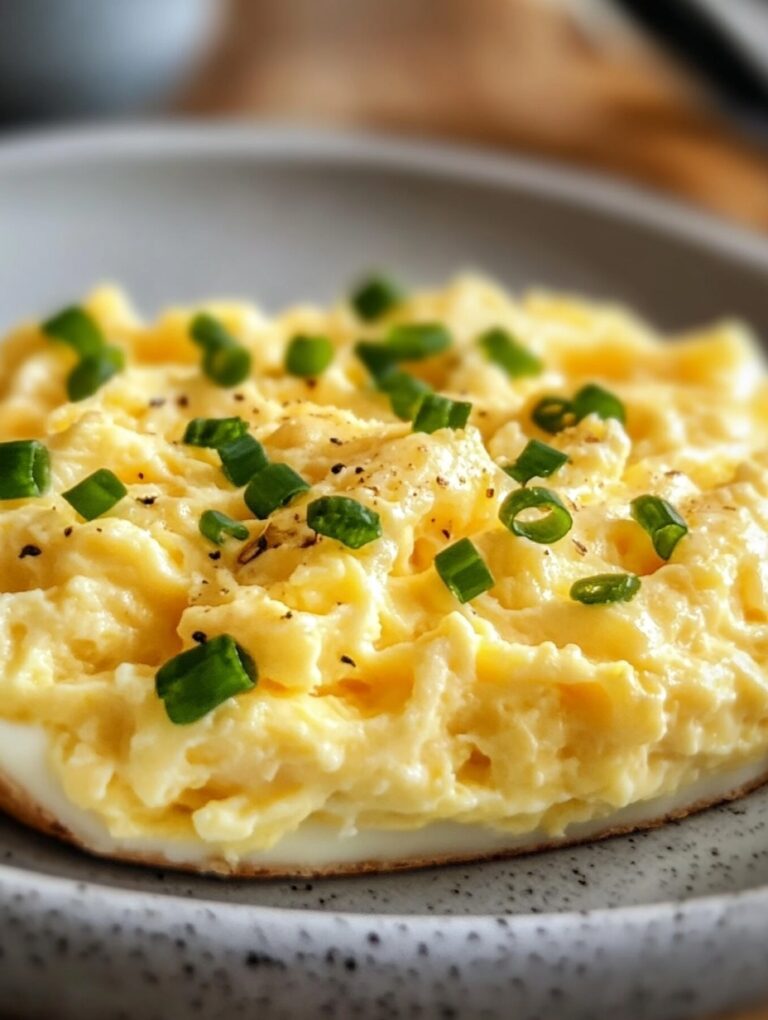
Creamy Scrambled Eggs: Perfectly Soft & Fluffy Every Time
Creamy scrambled eggs are a classic breakfast favorite that combines simplicity, flavor, and versatility. This recipe focuses on slow, gentle cooking to achieve a soft, velvety texture. Perfect for a quick breakfast, brunch, or even a light dinner, these eggs are customizable and crowd-pleasing.
- Total Time: 12 minutes
- Yield: 3 1x
Ingredients
- 6 large eggs
- 3 tablespoons milk or cream
- 1 tablespoon unsalted butter
- Salt, to taste
- Black pepper, to taste
- Fresh chives or parsley, chopped (optional, for garnish)
- Optional: diced chicken ham or cooked turkey bacon
Instructions
- Crack the eggs into a medium bowl. Add milk or cream, salt, and black pepper. Whisk until the mixture is smooth and slightly frothy.
- Heat a non-stick skillet over low heat and melt the butter slowly. Avoid high heat to maintain control over cooking.
- Pour the beaten eggs into the pan and let them sit for a few seconds until the edges start to set.
- Stir gently in a circular motion, folding the eggs over themselves to form soft curds. Scrape the edges and bottom of the pan continuously.
- Alternate between briefly removing the pan from heat and returning it to prevent overcooking, ensuring a creamy texture.
- When the eggs are mostly set but still slightly runny, remove the pan from heat. Residual heat will finish cooking them.
- Adjust seasoning with additional salt and pepper if needed. Sprinkle chopped fresh herbs on top for garnish.
- Serve immediately, optionally alongside toasted bread, avocado, or turkey bacon. For extra creaminess, stir in a small knob of butter or an additional spoonful of cream just before serving.
Notes
For extra richness, add shredded cheese while cooking.
You can fold in sautéed vegetables or diced chicken ham for a more substantial meal.
Serve immediately to enjoy the optimal creamy texture.
- Prep Time: 5
- Cook Time: 7
FAQs
1. How can I make my scrambled eggs extra creamy?
The key is to cook the eggs slowly over low heat while stirring continuously. Adding a splash of milk or cream before cooking helps create a rich texture. You can also stir in a small knob of butter just before removing the eggs from the pan for an even creamier result.
2. Can I make these scrambled eggs without milk or cream?
Yes, absolutely. The milk or cream adds richness, but the eggs will still turn out soft and delicious if cooked gently. You can replace milk with a small amount of water, which also helps create steam for a fluffy finish.
3. What can I serve with creamy scrambled eggs?
These eggs pair wonderfully with toast, roasted vegetables, grilled turkey bacon, or chicken ham. For a complete breakfast, serve them alongside avocado slices, fresh fruit, or a side of hash browns.
4. How do I prevent the eggs from becoming rubbery or dry?
Avoid cooking them on high heat or leaving them unattended. Stir constantly and remove them from the heat when they are still slightly runny — they will finish cooking from the residual warmth in the pan.
5. Can I store and reheat scrambled eggs?
While it’s best to eat them fresh, you can store cooled scrambled eggs in an airtight container in the refrigerator for up to two days. To reheat, place them in a non-stick pan over low heat, stirring gently until warmed through. Add a teaspoon of milk or butter while reheating to restore moisture.
6. Are scrambled eggs healthy?
Yes. Eggs are packed with protein, vitamins, and healthy fats. Cooking them with minimal butter or oil makes them a nutritious choice for breakfast or any meal. To make them even lighter, you can use more egg whites or add vegetables for extra fiber.
7. Can I use different herbs or spices?
Definitely. Fresh herbs like chives, parsley, or dill add freshness, while spices like black pepper, paprika, or turmeric bring depth and color. Experiment to match your personal taste.
8. What’s the best pan to use for scrambled eggs?
A non-stick pan is ideal because it prevents sticking and allows for easy stirring. Always use a silicone or wooden spatula to protect the pan’s surface and maintain the smooth texture of the eggs.